


The Nature of Luck in Gambling
Luck is often described as a chance occurrence that results in a favorable outcome. In the realm of casinos, luck plays a particularly significant role due to the inherent unpredictability of games. For those looking to increase their chances, a secure online casino with fast withdrawal options can provide a more convenient gaming experience that minimizes frustrations and maximizes enjoyment. From spinning the reels on slot machines to rolling the dice in craps, players are subject to random outcomes that can either lead to substantial wins or devastating losses. This element of randomness is what keeps players returning, as the thrill of a possible big win is always just a game away.
Moreover, the psychological impact of luck cannot be underestimated. Gamblers frequently believe in personal luck, often attributing their successes to good fortune rather than strategy. This belief can enhance their gaming experience, making them feel more empowered and influencing how much they are willing to bet. The very essence of games like blackjack or roulette is built around the notion of luck, emphasizing the unpredictable nature of chance that can lead to life-changing experiences.
Additionally, the concept of luck is deeply intertwined with the idea of variance. In gambling, variance refers to the way winnings are dispersed over a period of time. A player might go through a series of losses before hitting a jackpot thanks to luck. This unpredictability is crucial; it adds excitement to the experience while reinforcing the notion that success is not always guaranteed. For many, the thrill lies not just in winning, but in the uncertain journey towards a potential victory.
The Role of Strategy and Skill in Relation to Luck
While luck is a significant factor in casino success, it is essential to acknowledge the role of strategy and skill. Many games, such as poker and blackjack, incorporate elements of skill where players can make decisions that influence their outcomes. Successful players often utilize strategies that mitigate the impact of luck, highlighting the delicate balance between chance and choice. For instance, understanding probabilities and employing tactics can enhance a player’s odds even amidst the randomness dictated by luck.
In poker, for example, players with a deep understanding of the game’s intricacies can make informed decisions that leverage their situation to their advantage. They can read opponents, calculate odds, and decide when to fold or raise bets. Such strategic gameplay can sometimes outweigh the pure luck involved in drawing cards, demonstrating that while luck is undeniably a factor, it is not the sole determinant of success.
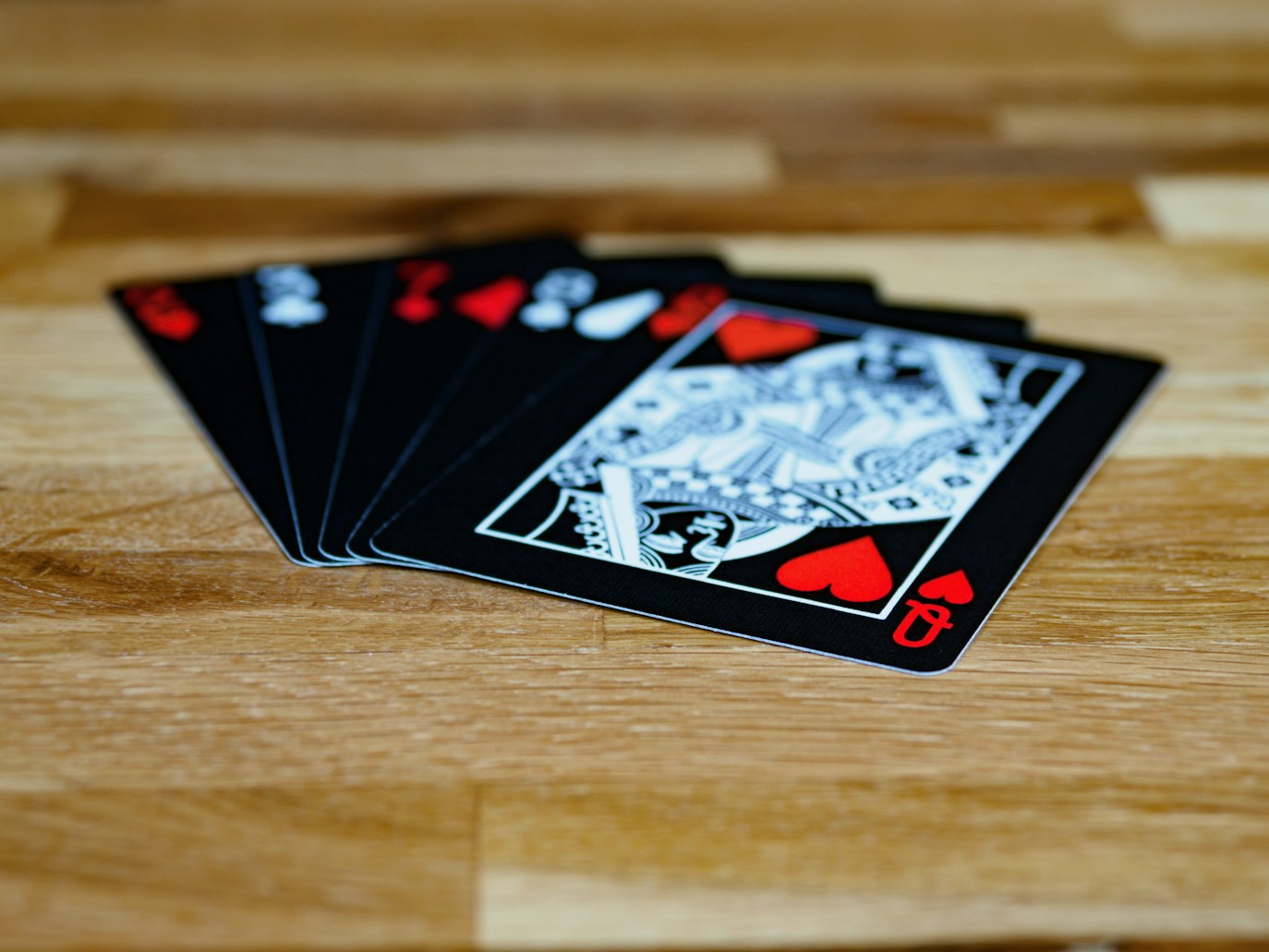
This interplay between luck and strategy means that even seasoned players acknowledge that no matter how skilled they are, there will always be an element of uncertainty. A fantastic hand can suddenly become a losing one due to the turn of a card, showcasing how luck can swiftly change the dynamics of the game. Therefore, skilled players accept luck as part of the equation while honing their tactics to increase their chances of success in the long run.
The Psychological Effects of Luck on Players
The psychological effects of luck in gambling can be profound, impacting both decision-making and emotional responses. Players often experience a phenomenon known as “gamblers’ fallacy,” where they believe that past events affect future outcomes. For instance, if a player observes that a certain number hasn’t come up in roulette for several spins, they may be inclined to bet on it, thinking it is “due” for a win. This flawed reasoning illustrates how luck influences players’ behaviors and decisions.
Additionally, the feeling of being lucky can enhance a player’s overall experience at a casino. Winning due to luck can lead to feelings of euphoria and excitement, which further fuels their desire to continue playing. This emotional rollercoaster, filled with highs and lows, creates a uniquely engaging atmosphere that keeps players coming back for more. The idea that a single lucky moment can alter their fortunes provides a powerful incentive to take risks.
However, the impact of luck is not always positive. When luck turns against a player, it can lead to frustration, disappointment, and in some cases, unhealthy gambling behaviors. The unpredictability of luck can create an emotional burden that affects mental health, particularly for those who gamble frequently. Understanding how luck affects their mindset can help players make informed decisions about their gambling habits and promote responsible gaming.
Cultural Perspectives on Luck and Gambling
Different cultures hold a variety of beliefs about luck, influencing their gambling practices. In some cultures, specific symbols, numbers, or colors are considered lucky or unlucky, shaping how players approach casino games. For instance, in Chinese culture, the number eight is regarded as particularly auspicious, leading players to frequently bet on this number in games like baccarat. These cultural beliefs can profoundly affect a player’s strategy and mindset when gambling.

Moreover, the concept of luck varies widely across cultures. In Western societies, luck is often viewed as a personal trait, with individuals seeking to attract it through rituals or superstitions, such as carrying lucky charms. Conversely, in some cultures, luck is seen as a communal attribute, where collective beliefs influence collective outcomes at the gambling table. These diverse perspectives highlight the significant role luck plays in shaping gambling behaviors and practices around the world.
Understanding these cultural nuances can enhance the overall casino experience, as players often form connections with others sharing similar beliefs about luck. This shared understanding can lead to camaraderie among players, creating a vibrant and dynamic atmosphere within the casino. Thus, cultural context not only influences individual gaming strategies but also enhances the communal aspects of gambling, driven by the ever-present influence of luck.
Conclusion and Insight on the Importance of Luck
In conclusion, luck is an undeniable and intricate factor in the success of casino experiences. While skill and strategy can certainly enhance a player’s chances of winning, the element of chance introduces a thrilling unpredictability that keeps players engaged. Understanding the role luck plays in gambling can help individuals approach their gaming experience with a balanced mindset, recognizing that both fortune and skill contribute to the outcomes.
The interplay between luck and strategy cultivates a unique atmosphere in casinos, where every spin and roll offers the possibility of triumph or defeat. As players navigate this world, they are continually reminded of the emotional highs and lows that come with gambling, influenced by luck’s capricious nature. Embracing this complexity allows individuals to appreciate their experiences, regardless of the outcomes.
Ultimately, whether players are seeking a night of entertainment or hoping for a life-altering win, luck remains a central theme. By recognizing its influence and acknowledging the balance with skill, players can enjoy a more enriching and responsible gambling experience. This awareness fosters a deeper connection with the game and the community surrounding it, making the casino a vibrant place for those who dare to embrace the uncertainty of luck.